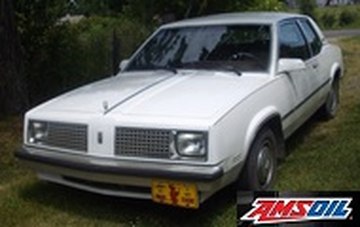
Maintaining Lubrication Integrity for the 1981 Oldsmobile OMEGA 2.8L
Proper engine care for a vehicle of this era involves a combination of consistent monitoring and proactive inspection. For owners of a 1981 Oldsmobile OMEGA with the 2.8L engine, understanding how to manage lubrication and identify potential maintenance needs is essential for long-term mechanical health. Because older engines rely on specific material tolerances and seal conditions, staying attentive to fluid behavior and component integrity can prevent more significant issues down the road.Monitoring Fluid Condition and Consumption
One of the most effective ways to monitor the health of the 2.8L engine is through regular observation of its lubricant. Changes in how the engine uses oil can be early indicators of shifting mechanical needs. Owners should pay close attention to whether the vehicle requires more frequent top-offs than previously noted. While some level of consumption can occur as engines age, a sudden increase in the amount of oil needed between service intervals warrants closer investigation. Beyond quantity, the physical appearance and smell of the lubricant are important diagnostic tools. If the oil appears excessively dark or has a gritty texture, it may indicate that the lubricant is breaking down or that contaminants are present. Similarly, if an unusual odor is detected near the engine, it could suggest that oil is contacting other hot components. It is important to remember that these symptoms can have multiple causes, and they should be treated as prompts for a more thorough inspection rather than definitive proof of a specific part failure.Systematic Inspection of Seals and Connections
As vehicles age, the materials used in gaskets and seals may undergo changes in flexibility and integrity. For the 1981 Oldsmobile OMEGA, performing routine visual checks can help identify potential seepage before it becomes a significant leak. When inspecting the engine bay, look for any signs of wetness or residue around various sealing surfaces. If you notice evidence of fluid seepage, do not immediately assume a specific gasket has failed. Instead, use these observations to guide your maintenance priorities. A small amount of seepage might be manageable with regular monitoring, whereas active dripping requires more immediate attention. Additionally, check the condition of any visible electrical connections and wiring harnesses in the vicinity of the engine. Ensuring that connectors are secure and free from debris or corrosion is a vital part of general engine bay maintenance.Managing Maintenance Records and Baselines
For many owners of a 1981 Oldsmobile OMEGA, the vehicle's service history may not be fully documented. In these cases, the first priority should be establishing a maintenance baseline. This involves performing a thorough inspection of all fluids and major components to determine their current state. Once you have identified the current condition of the engine, you can begin keeping detailed records of every oil change, filter replacement, and repair performed moving forward. Maintaining a consistent log serves several purposes:- It helps track changes in fluid consumption or leakage patterns over time.
- It provides a clear history for future service providers, ensuring they understand what has already been addressed.
- It allows you to distinguish between routine preventive maintenance and repairs necessitated by actual wear.
Prioritizing Service Tasks Based on Condition
Effective maintenance is not about replacing every part that reaches a certain age; rather, it is about addressing needs based on the actual condition of the vehicle. For an older 2.8L engine, priorities should be dictated by what you observe during your routine inspections. If you find evidence of active leaks or notice that the engine is running hotter than usual, these issues should take precedence over general cosmetic or non-essential maintenance. If the vehicle has been well-maintained, focus on preserving that state through consistent fluid changes and monitoring aging materials like hoses (if present) and belts (if equipped). If you are working with a vehicle where the history is unknown, prioritize addressing any immediate warning signs first to stabilize the engine's operating condition before moving into long-term preventive strategies.Observing Potential Warning Signs
While many maintenance needs are caught during scheduled service, some may manifest through subtle changes in vehicle operation. It is helpful to be aware of various indicators that might suggest a need for professional inspection:- Changes in Engine Sound: Any new or unusual mechanical noises should be investigated promptly.
- Warning Indicators: If the dashboard displays any warning lights related to engine operation, do not ignore them.
- Exhaust Observations: Changes in the color or consistency of exhaust gases can sometimes be associated with internal engine conditions.
- Fluid Puddles: Finding spots on the driveway beneath the vehicle is a clear sign that a seal or gasket may need attention.
Practical Guidance for Buying Engine Oil for your 1981 Oldsmobile OMEGA 2.8L
When it is time to replenish your engine's lubricant, the most important step is to ensure the product matches the specific requirements of your application. Do not rely on general automotive knowledge or assumptions based on the vehicle's age to select a grade. Instead, match the engine oil to the application-specific viscosity information already displayed on this page. When you are ready to purchase, consider the following:- Verify Product Labels: Always check the container to ensure the SAE viscosity matches what is listed in your vehicle's documentation.
- Evaluate Formulations: Depending on your engine's current condition, you may choose between conventional oil, synthetic blends, or full synthetic options. Some high-mileage oil formulations contain additives intended for use in aging engines, including seal-conditioning additives that may be beneficial for older seals.
- Check Certifications: Ensure the oil meets the appropriate API service classifications to provide the necessary protection and deposit control.